Echo Test Preparation Tips for Patients in Madhubani
October 3, 2026

Doctors sometimes ask patients to get an EEG test. Many people hear this term for the first time and feel a bit confused. What does it check? Does it hurt? How long does it take? These are fair questions, and getting clear answers can make the whole experience feel less uncertain. This article answers these questions in simple words. If you are looking for an EEG test in Madhubani, this guide will help you understand what to expect, from the moment you walk in to the moment you get your results.
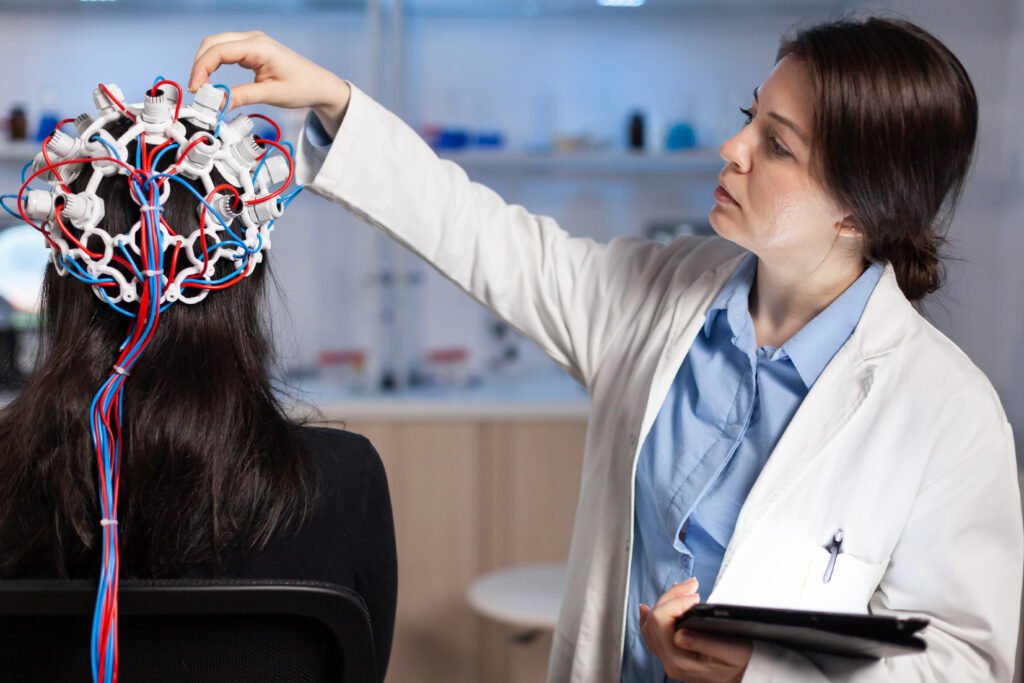
EEG stands for Electroencephalogram. It is a test that checks the electrical activity of your brain. Your brain cells talk to each other using tiny electrical signals. An EEG test records these signals. Doctors use this record to understand how your brain is working. This test does not hurt. It does not use any needles or injections. Small sensors, called electrodes, are placed on your scalp. These sensors pick up the signals and send them to a machine.
Yes, there are a few types, and your doctor will choose the one that fits your situation. A routine EEG is the most common type. It usually takes 30 to 60 minutes and is done while you are awake. A sleep-deprived EEG is used when doctors want to study your brain activity during sleep. For this purpose, you may be asked to stay awake longer than usual the night before your test. An ambulatory EEG involves wearing a small, portable device for a longer period, sometimes a full day. This helps doctors capture brain activity over an extended time, especially if symptoms don’t appear during a short test. Your doctor will explain which type suits your case and share any special instructions in advance.
Doctors recommend an EEG test for many reasons. It helps them understand what is happening inside the brain.
Some common reasons include:
An EEG test does not confirm every condition on its own. Doctors often use it along with other tests and your medical history. This helps them get a full picture of your health.
The process is simple and short. You will not need to worry about any complex steps. First, a technician will clean small areas of your scalp. Then, they will place small electrodes on your head using a special paste or cap. This paste helps the electrodes pick up signals clearly. Once the electrodes are in place, you will be asked to sit or lie down. The machine will start recording your brain activity. You may be asked to relax, close your eyes, or breathe in a certain pattern for a few minutes. Sometimes, a flashing light is used to check how your brain responds. The whole test usually takes between 30 minutes to an hour. It depends on the type of EEG your doctor has recommended.
Yes, an EEG test is considered a safe procedure. It does not use radiation. It only records signals that your brain already produces. Most people feel no discomfort during the test. Some may feel a little tired afterward, especially if they were asked to stay awake for a long recording. This feeling usually goes away quickly.
A little preparation can make your test go smoothly. Here are some simple tips:
Always follow the specific instructions your doctor gives you, since some EEG tests may need special preparation, like staying awake the night before.
Once the test is done, you can usually go back to your normal activities right away. There is no recovery time needed in most cases. The recorded data is reviewed by a specialist. Your doctor will then explain the results to you and discuss the next steps, if needed. This process may take a few days, depending on the lab.
Understanding your EEG test in Madhubani becomes easier when you choose a lab that explains each step clearly. Metro Path Lab offers accurate testing with a comfortable and supportive experience for every patient.
If your doctor has recommended an EEG test in Madhubani, Metro Path Lab is here to help. Our team focuses on accurate results and clear communication, so you always know what to expect at every step. Reach out to Metro Path Lab today to schedule your test or ask any questions you may have.
No, an EEG test does not hurt. It only records signals from your brain using sensors placed on your scalp.
Most EEG tests take between 30 minutes to an hour. The exact time depends on the type of test your doctor recommends.
In most cases, fasting is not required. However, always follow your doctor’s specific instructions, since some tests may need special preparation.

Lorem ipsum dolor sit amet, consectetur adipiscing elit…